Focused arrival windows
Useful updates and clear arrival timing.
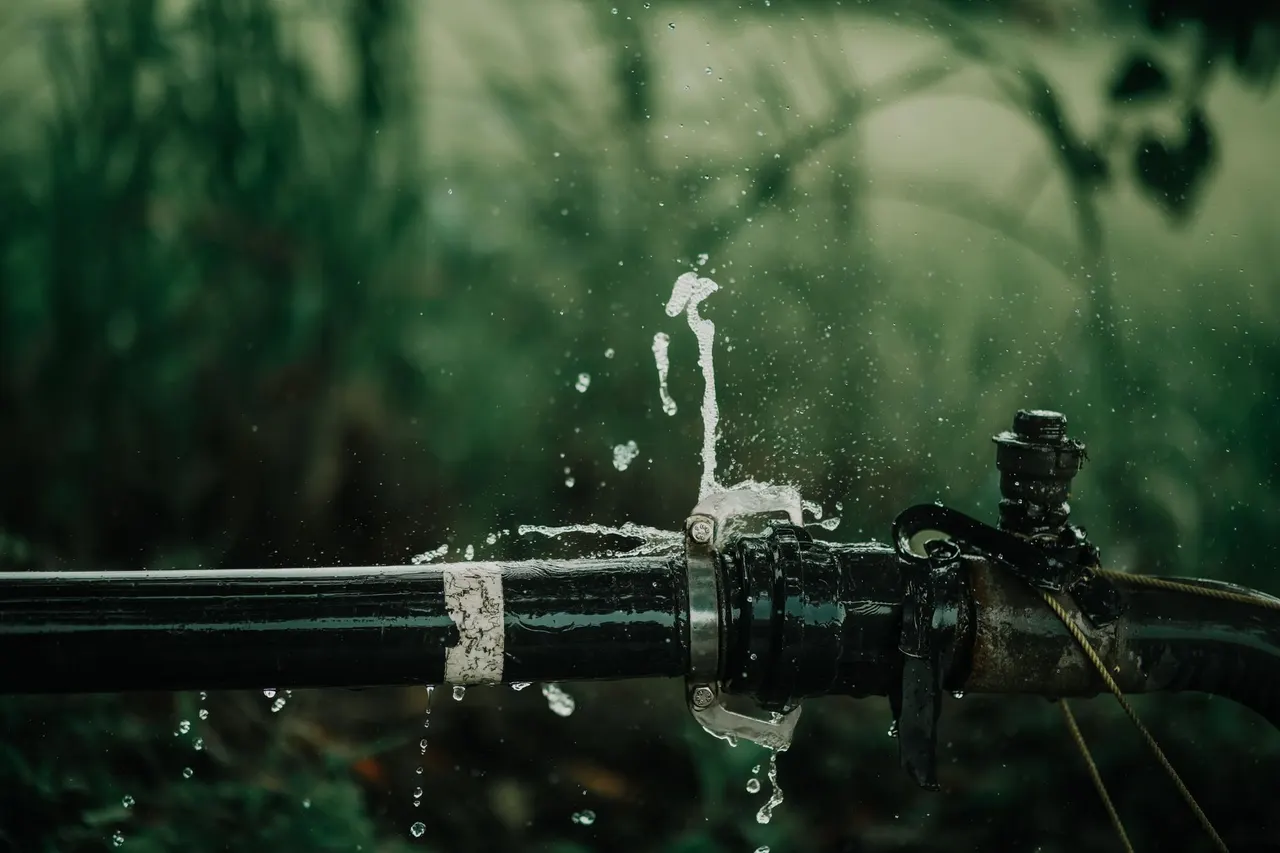
Water Line Leak Detection Whittier CA starts with listening, not digging. We use acoustic listening devices and thermal imaging cameras to pinpoint hidden water line leaks under slabs, lawns, and driveways across Whittier. Whether you're facing a spike in your water bill or a wet spot that won't dry, our team finds the source and handles water line leak repair in Whittier CA the same day.
Useful updates and clear arrival timing.
Review the approach and price before deciding.
Equipped vehicles and respectful cleanup.
Neighbors serving neighbors with follow-through.
Our standard detection service covers the full process from line mapping to final confirmation. We'll tell you upfront if your situation requires additional equipment or a larger scope, but most homes fit our flat-rate detection package.
We isolate your water line from the city meter and pressurize it to 80 psi. A pressure gauge monitors for drop over 15 minutes. This confirms there's a leak and tells us how severe it is before we start listening.
We walk the entire line route with a ground microphone and acoustic listening device. Then we scan with a thermal imaging camera to look for temperature anomalies. This combination catches leaks that one method alone might miss.
We mark the leak location with paint and flags, and we tell you the depth. You'll see exactly where we plan to dig. If the leak is under concrete, we outline the smallest possible access area.
You get a one-page report with the leak location, line material, depth, and our recommended repair options. We include photos of the thermal image and pressure gauge readings. This report is useful for insurance claims.
After detection, we provide a written quote for the repair. You can choose spot repair, partial repipe, or full replacement. If you approve the repair, we credit $150 of the detection fee toward the work.
Share what is happening and receive a clear next step from the local team.
Water Line Leak Detection Whittier CA is the process of finding where water is escaping from your pressurized supply lines before it damages your foundation or yard. We pressurize the line, then use acoustic listening devices, ground microphones, and pressure gauges to hear and measure the leak. Thermal imaging cameras and moisture meters confirm the exact spot. Most residential lines run under slabs or 18 to 36 inches deep, so we map the route first with electromagnetic pipe locators and video pipe inspection cameras.
Whittier's older housing stock, especially around Uptown and the Hadley neighborhood, still has original copper pipe that's prone to pinhole leaks after decades of hard water. Newer PEX tubing and PVC pipe can fail at fittings or from root intrusion. If you've noticed a high water bill or a warm spot on the floor, don't wait. We offer 24/7 water line leak repair in Whittier California, and our affordable water line leak detection Whittier CA service starts with a flat-rate assessment so you know the cost before we open a wall.
We ask about your water bill, visible moisture, and any sound you hear. You'll get a arrival window and a flat-rate detection quote. If it's an emergency, we prioritize you for 24/7 water line leak repair in Whittier California.
Our technician uses an electromagnetic pipe locator to trace the water line from the meter to the house. We mark the route with flags and note the depth. This step takes 15 to 20 minutes and prevents us from digging in the wrong place.
We pressurize the line and walk the route with a ground microphone and acoustic listening device. The leak hisses or thumps at a specific frequency. We narrow the location to within 12 inches, then confirm with a thermal imaging camera.
We show you the thermal image and explain what we found. You get a written repair quote with options: spot repair, partial repipe, or full line replacement. Most customers choose a spot repair, which runs $450 to $1,200 depending on depth and pipe material.
We excavate, cut out the damaged section, and install new copper pipe or PEX tubing with proper fittings and pipe sealant. After backfill, we pressure-test the line at 80 psi for 30 minutes. You get a warranty on parts and labor.
We use Fluke ground microphones to listen for the leak's sound signature. They amplify the hiss of escaping water so we can pinpoint the location within 12 inches.
Thermal cameras detect temperature differences caused by hot or cold water leaks. They're especially useful for slab leaks and leaks behind walls.
We trace the path of underground water lines before we dig. This prevents unnecessary excavation and keeps the repair focused.
For hard-to-find leaks, we introduce a harmless tracer gas into the line and detect where it escapes. This works on lines under concrete or deep underground.
We insert a camera into the line to visually inspect for corrosion, root intrusion, or breaks. This confirms the leak and helps us choose the right repair.
We measure line pressure and flow to quantify the leak. A pressure drop over 15 minutes confirms an active leak and tells us its severity.
We pressurize the line and walk the route with a ground microphone. The leak creates a distinct sound that we can hear through soil and concrete. This method is non-invasive and works on all pipe materials.
We scan the floor or ground with a thermal camera. Hot water leaks show as warm spots; cold water leaks show as cool spots. We use this to confirm the acoustic findings.
We fill the line with a harmless gas mixture and use a detector to find where it escapes. This is the most precise method for deep underground leaks or lines under slabs.
We isolate sections of your plumbing to determine if the leak is in the main line, a branch line, or the irrigation system. This narrows the search area.

We perform a pre-purchase leak detection to identify any hidden water line leaks. You get a written report you can use to negotiate repairs or walk away. We check the main line, slab lines, and irrigation. You know exactly what you're buying and can budget for repairs. No surprises after closing.
We isolate the house from the meter and pressure-test the line. Acoustic detection finds the leak within 12 inches. We repair it the same day if it's accessible. The meter stops spinning, your bill drops back to normal, and you avoid water damage.
We use ground microphones and thermal imaging to check for a water line leak under the concrete. If found, we repair the line with a small access hole and patch the concrete. The leak is fixed, the crack stops growing, and your driveway is stable again.
We perform non-invasive water line leak detection using moisture meters and video pipe inspection cameras. We find the source and repair it without displacing the tenant for long. The mold issue is resolved, the tenant is happy, and you avoid costly remediation.
Whittier's climate is mild, but our soil expands and contracts with the seasons, which stresses underground pipes. Many homes in Los Angeles County were built before 1980 and still have original copper pipe. That copper develops pinhole leaks after decades of exposure to hard water. We also see root intrusion in older PVC pipe, especially in neighborhoods with mature trees. When you call for water line leak detection in Whittier California, we start by asking about your home's age and any recent plumbing work. If you're searching for how to find a water line leak underground in Whittier CA, the answer is acoustic detection combined with thermal imaging. We've refined our process for Whittier's specific soil and pipe materials. For example, in the 90606 ZIP code, we often find leaks in the main line between the meter and the house. In 90601, slab leaks are more common. We carry repair materials for copper, PEX, and PVC so we can fix most leaks the same day.
Historic homes with original copper pipe and mature trees. Root intrusion is common in sewer and water lines. We use video inspection to check for root damage.
Mid-century homes with slab foundations. Slab leaks are frequent. We use thermal imaging to find hot spots and acoustic detection to pinpoint the leak.
Newer developments with PEX tubing. Leaks often occur at fittings. We carry replacement fittings and pipe sealant for same-day repairs.
Homes on slopes with longer water lines. Pressure fluctuations can cause leaks. We install pressure regulators when needed to protect your plumbing.
Soil movement stresses underground pipes and can cause joints to separate. We use flexible PEX tubing for repairs to accommodate soil movement.
Whittier's water has high mineral content, which corrodes copper pipe from the inside. We recommend PEX or CPVC for replacements to resist corrosion.
Many homes have original pipes that are past their lifespan. We assess the entire line and recommend partial repiping if multiple leaks are likely.
A homeowner noticed a warm spot on the kitchen floor and a water bill that jumped from $80 to $220 per month. The meter was spinning even with all fixtures off. They feared a slab leak and a $5,000 repair.
We used thermal imaging and acoustic detection to locate the leak within 8 inches. We cut a 2-foot access hole, repaired the copper pipe, and pressure-tested the line. The total repair cost $1,150, and the water bill returned to normal the next month.
Maintenance: We recommended a pressure regulator to reduce stress on the pipe. The homeowner also scheduled an annual leak check to catch future issues early.
A property manager called because the water meter at a rental duplex was spinning constantly. The tenant reported a soggy patch in the front yard. The main line was 40 years old and made of galvanized steel.
We traced the line with an electromagnetic locator and found a leak 18 inches deep. We replaced a 6-foot section with copper pipe and new fittings. The repair took 4 hours and cost $850. The meter stopped spinning immediately.
Maintenance: We advised the manager to flush the line annually and monitor water pressure. We also noted that the remaining galvanized pipe should be replaced within 5 years.
A homeowner's pool was losing 3 inches of water per week, and the autofill was running constantly. They suspected a pool leak but didn't know if it was the pool shell or the water line.
We pressure-tested the pool plumbing and used leak detection dye. The leak was in an underground PVC line feeding the pool. We excavated, replaced the cracked pipe, and refilled the trench. The pool stopped losing water, and the water bill dropped by $90 per month.
Maintenance: We recommended checking the pool's water level weekly and scheduling a leak detection every two years. The homeowner now uses a cover to reduce evaporation.
If you're dealing with any of these issues, you likely have a water line leak. We can find it and fix it before it causes major damage.
A leak the size of a pencil tip can waste 10,000 gallons per month. That's hundreds of dollars down the drain and potential fines from the water district. We pressure-test your line and use acoustic detection to find the leak. Most high-bill leaks are in the main line or irrigation system. We repair the line and verify the meter stops spinning.
A warm spot usually means a hot water line leak under your slab. It can crack the foundation, damage flooring, and create mold if ignored. We use thermal imaging cameras to confirm the hot spot and locate the leak. Then we repair the copper pipe or PEX tubing with minimal concrete removal. We pressure-test after the repair.
A constantly wet spot in your lawn means an underground water leak. It can kill grass, attract pests, and erode soil under your foundation. We use electromagnetic pipe locators to trace the line and ground microphones to pinpoint the leak. Then we excavate and repair the PVC pipe or copper pipe. We backfill and compact the soil.
If you hear water running when all fixtures are off, you have a hidden leak. It could be in a wall, under the slab, or in the main line. We perform a full acoustic scan of your water line. Ultrasonic leak detectors pick up the sound signature. We locate the leak and repair it, often the same day.
Our technicians have worked on Whittier water lines for years, from 1920s bungalows near Central Park to 1990s tract homes in the 90603 ZIP code. We hold California Contractor License (C-36 Plumbing), IAPMO certification, and Backflow Prevention Assembly Tester certification. We train on Fluke acoustic equipment, RIDGID locators, and Sewerin tracer gas detectors. We've completed thousands of leak detections across Los Angeles County, and we know how Whittier's soil, water pressure, and older copper pipe behave. When we say we can find it, we mean it.
Our water bill doubled and we couldn't find the leak. The technician used a ground microphone and found it under the driveway in 45 minutes. He marked the spot and repaired the copper pipe the same day. No more spinning meter. Worth every penny.
I manage six rentals in Whittier. When a tenant reported a hot spot on the floor, I called Whittier Water Leak Detection Pros. They found a slab leak, repaired it with minimal concrete cutting, and had the unit back to normal in two days. I've used them three times since.
We had a leak in our front yard that was flooding the lawn. The team used a tracer gas detector and found it 3 feet down. They repaired the PVC pipe and replaced the section. The price was fair and they cleaned up everything. Highly recommend.
Most residential detections run $250 to $450 in 2026, depending on line length and accessibility. If we find the leak and you approve the repair, we credit $150 of the detection fee toward the work. Emergency calls after hours may add a $75 to $125 dispatch fee. We quote the flat rate before we start.
We do. Whittier Water Leak Detection Pros is a state-licensed plumbing contractor with IAPMO certification. We handle both detection and repair, so you don't need to call a second company. We fix copper pipe, PEX tubing, PVC pipe, and CPVC pipe. Call (562) 271-1350 to schedule.
Watch for a water bill that jumps 20% or more, a spinning meter when fixtures are off, warm spots on the floor, or the sound of running water at night. Outside, look for soggy patches in the lawn or cracks in the driveway. Any of these means you should call for detection.
Sometimes. If the leak is in an accessible crawlspace or basement, we can repair it without excavation. For underground lines, we use trenchless methods when the pipe material allows. But most slab leaks require a small access hole. We'll tell you the least invasive option after detection.
Not seeing your question? Our local team can help you understand urgency, scheduling and what to expect.
Ask the local team
A slab leak is a water line leak under your concrete foundation. We use the same acoustic and thermal tools to find it, then repair the line with minimal concrete removal. If you have a hot spot on the floor, this is likely the issue.
View servicePool leaks can mimic water line leaks by driving up your water bill. We pressure-test pool plumbing and use leak detection dye to isolate the source. If your pool loses more than 2 inches per week, call us for detection.
View service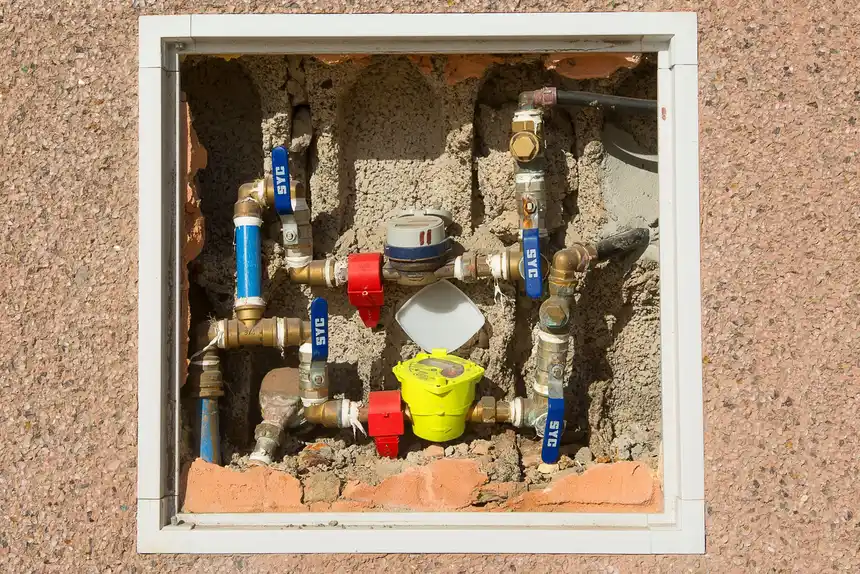
The water main is the line from the city meter to your house. A leak here can waste thousands of gallons. We use electromagnetic pipe locators and ground microphones to find it, then repair or replace the line.
View service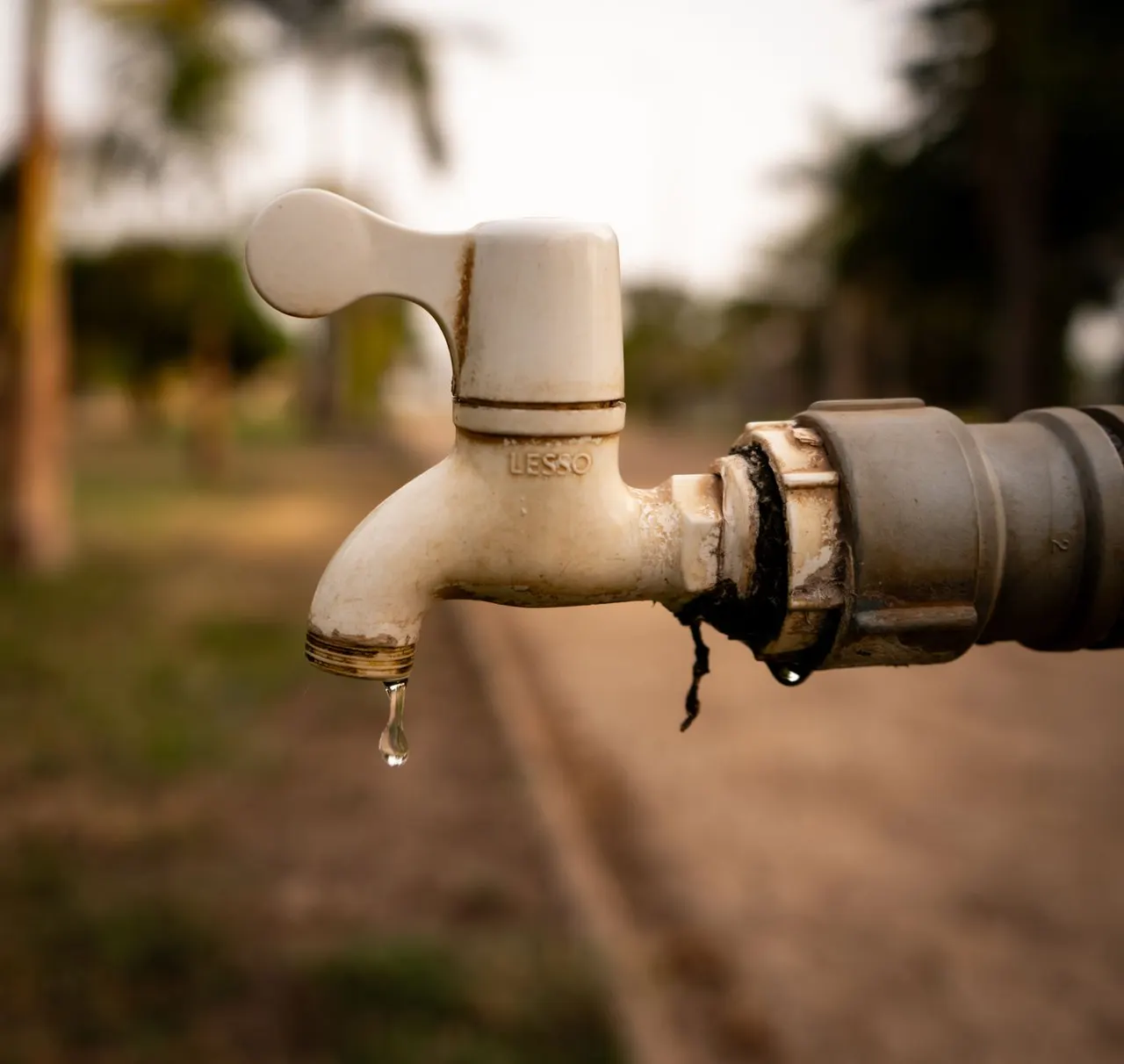
Underground leaks are the hardest to find without tools. We combine acoustic listening devices with tracer gas detectors to pinpoint leaks 3 feet deep. This service is common in Whittier's older neighborhoods with original copper pipe.
View serviceCall (562) 271-1350 and you will reach a Whittier-based leak specialist, not a call center. We answer 24/7 for emergency water leak detection and schedule same-day visits for most residential calls. Tell us what you are seeing, and we will tell you what it likely is and when we can be there.