Focused arrival windows
Useful updates and clear arrival timing.

Non-Invasive Water Leak Detection in Whittier uses acoustic listening devices, thermal imaging cameras, and tracer gas detectors to pinpoint hidden water leaks under slabs, inside walls, and beneath your yard. If your water bill spiked and you hear water running when nothing is on, we find the source without demolition. We serve homeowners across Whittier and Los Angeles County with same-day appointments and 24/7 emergency response.
Useful updates and clear arrival timing.
Review the approach and price before deciding.
Equipped vehicles and respectful cleanup.
Neighbors serving neighbors with follow-through.
Every detection visit includes a full system assessment, acoustic and thermal sweep, and a written report. Repairs are quoted separately so you can decide what to fix and when. No hidden fees, no surprise add-ons.
We isolate and pressurize each section of your plumbing with a calibrated pressure gauge and flow meter. This tells us which line is leaking before we bring in acoustic equipment. Takes 20 to 30 minutes and narrows the search area fast.
Ground microphones, ultrasonic leak detectors, and thermal imaging cameras locate the leak within a few inches. We sweep the suspect line indoors and out, including under slabs, inside walls, and across your yard. This is the core of the non-invasive method.
A moisture meter maps how far water has traveled from the leak point. That tells you whether drywall, flooring, or insulation needs drying. We mark the affected area so you can document it for insurance.
You get a written report with the leak location, pipe material, photos of the marked spot, and recommended repair options. It is formatted for insurance claims and contractor handoffs. Most customers receive it the same day.
If you want us to fix the leak, we provide a flat-rate quote on the spot. No hourly billing, no diagnostic fee added on. You approve the number before we schedule the repair.
Share what is happening and receive a clear next step from the local team.
Non-Invasive Water Leak Detection in Whittier is the process of finding hidden water leaks using acoustic listening devices, thermal imaging cameras, and electromagnetic pipe locators instead of jackhammers and excavation. We pressurize your plumbing system, then walk the line with ground microphones and ultrasonic leak detectors to hear the exact hiss of water escaping a copper pipe or PEX tubing joint. Once we mark the spot, we confirm with a moisture meter and video pipe inspection camera before anyone touches a shovel. Most residential jobs take two to four hours from arrival to written report.
Whittier's housing stock includes a lot of mid-century slab-on-grade homes with original copper pipe that has been corroding for decades. Add our expansive clay soil and the temperature swings between summer and winter, and you get slab leaks, water line leaks, and underground water leaks that show up as high water bills, hot spots on the floor, or a faint sound of running water at 2 a.m. If you have been searching for non-invasive leak detection Whittier CA near me, our team covers every ZIP code in the city, from 90601 to 90607, and we can usually be on-site the same day you call.

We ask about your water bill, any sounds you hear, and where you have noticed hot spots or moisture. That five-minute conversation tells us whether to bring slab leak gear, pool leak equipment, or sewer line cameras. You get a two-hour arrival window and a call when we are en route.
We shut off the main, isolate sections of your plumbing, and pressurize the line with a calibrated pressure gauge and flow meter. If the pressure drops, we know the leak is on that segment. This step takes 20 to 30 minutes and narrows the search area before we bring in acoustic equipment.
Using ground microphones, ultrasonic leak detectors, and thermal imaging cameras, we walk the suspect line and listen for the distinct frequency of pressurized water escaping a pipe. Thermal imaging shows temperature anomalies under the slab. Together they pinpoint the leak within a few inches, usually in under an hour.
We confirm the location with a moisture meter and, for underground lines, a video pipe inspection camera. Then we mark the spot on the floor or ground with tape and photograph it. You see exactly where the repair will happen before we quote the fix.
You get a written report with the leak location, pipe material, and recommended repair, plus a flat-rate quote. If it is a slab leak, we explain the reroute or spot repair options. Most customers approve the repair on the spot and we schedule it for the next business day.
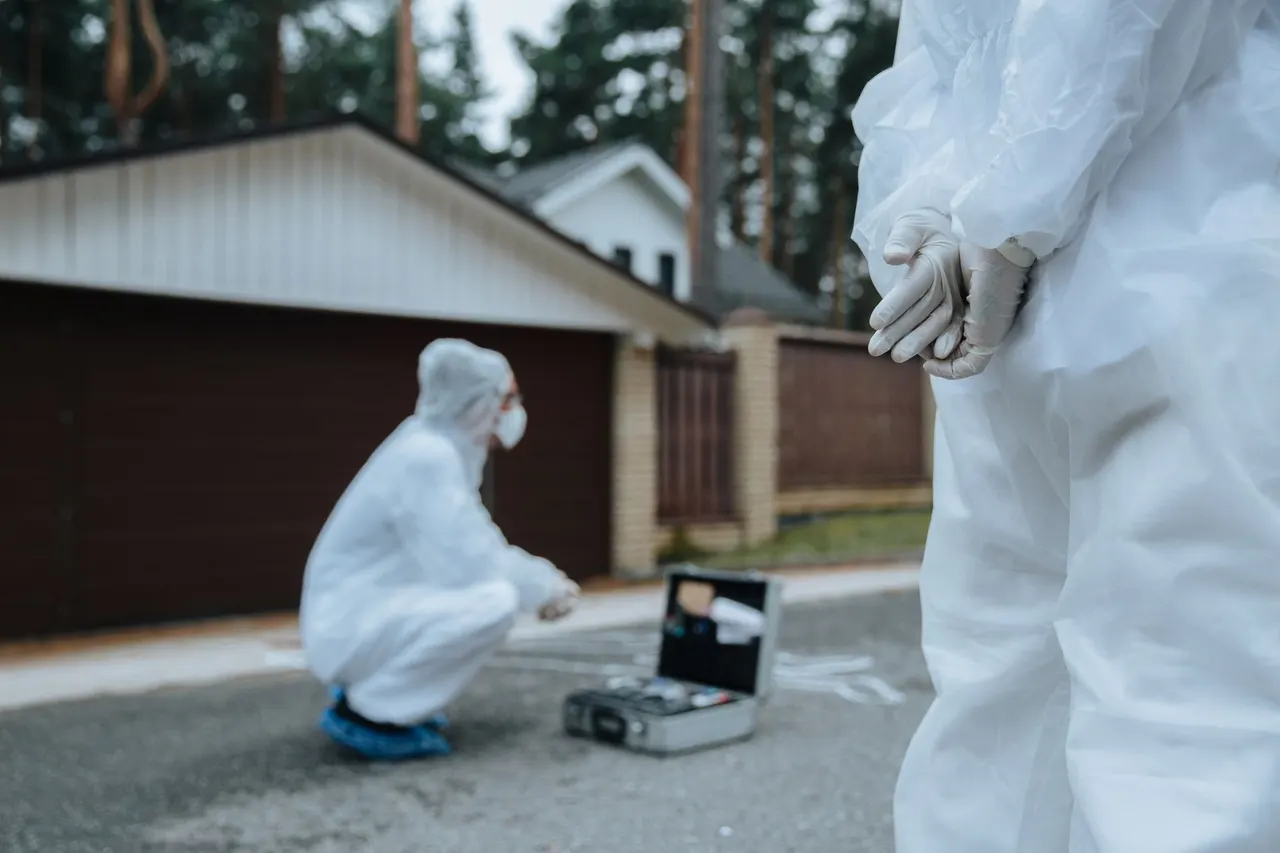
Ground microphones and ultrasonic leak detectors pick up the frequency of pressurized water escaping a pipe. We use them on slabs, walls, and underground lines to pinpoint the leak within inches.
Fluke thermal cameras show temperature anomalies caused by hot or cold water leaking under a slab or inside a wall. They confirm the leak location before we mark the spot.
RIDGID locators trace the path of underground water and sewer lines so we know exactly where to listen. They work through soil, concrete, and asphalt.
Sewerin tracer gas detectors find leaks in lines that acoustic gear cannot hear, such as plastic pipe under deep soil. We introduce a safe gas mixture and track it to the leak point.
General Pipe Cleaners cameras let us see inside sewer and water lines to confirm cracks, root intrusion, and joint failures. We use them to verify the leak before any repair.
Calibrated gauges and flow meters isolate the leaking section of your plumbing. They tell us which line is losing pressure before we bring in acoustic equipment.
Moisture meters map how far water has traveled from the leak. That tells you what needs drying and helps document the damage for insurance.
We shut off the main, isolate sections of your plumbing, and pressurize each with a calibrated gauge. A pressure drop tells us which line is leaking. This step takes 20 to 30 minutes and narrows the search area before we use acoustic gear.
Two or more ground microphones pick up the sound of the leak and a correlator calculates the exact distance to the break. This is the same method municipal water departments use on water main leaks. It works through concrete, tile, and soil.
A Fluke thermal camera scans the floor or wall for temperature anomalies caused by leaking hot or cold water. We compare the image to the pipe route from the locator to confirm the leak point before marking.
For plastic pipe or deep underground lines where acoustic gear struggles, we introduce a safe tracer gas and track it with a Sewerin detector. It finds leaks that other methods miss, especially on PEX and PVC lines.
A General Pipe Cleaners camera confirms the leak inside the pipe before we repair it. We see cracks, root intrusion, and joint failures directly. This eliminates guesswork and ensures the repair targets the actual problem.

We run a full pressure test, then sweep the property with acoustic and thermal equipment. Most hidden leaks are located in under two hours. You get a written report and a flat repair quote the same day. The leak is found and repaired, and your next water bill returns to normal. No demolition, no guesswork.
Our 24/7 line dispatches a technician with acoustic listening devices and a thermal camera. We isolate the system, find the leak, and shut down the affected line to stop the water loss. The leak is stopped the same night, preventing further damage and a much higher water bill.
We perform a non-invasive detection sweep before you close. Acoustic and thermal equipment check the slab, water line, and sewer line. You get a written report you can use in negotiations. You know exactly what you are buying and can negotiate the repair cost into the price.
We dye-test the shell, pressure-test the lines, and use acoustic gear to find the leak. Most pool leaks are in the plumbing or fittings, not the shell. We pinpoint it without draining the pool. The leak is repaired, the pool holds water, and you stop overpaying on your water bill.
Whittier sits on expansive clay soil that swells when it rains and shrinks in summer. That movement stresses underground water lines and slab plumbing, which is why we see so many slab leaks and water main leaks in older neighborhoods. Most homes here were built between the 1920s and 1960s with original copper pipe, and copper corrodes from the inside out after decades of Whittier's hard water. Add the temperature swings between our 100-degree summers and mild winters, and pipes expand and contract until joints fail. We also deal with root intrusion in sewer lines, especially in older neighborhoods with mature sycamores and ficus trees. If you need 24/7 non-invasive leak detection in Whittier California, we keep acoustic and thermal gear on every truck so we can find the leak the same day, whether it is a slab leak in Uptown or a water line break near Whittwood Town Center.
Historic homes with original copper plumbing and mature trees. Slab leaks and root intrusion are common. We use acoustic gear that works through original hardwood and tile floors.
Mid-century tract homes with slab-on-grade construction. Copper pipe corrosion is the leading cause of leaks here. Thermal imaging finds hot spots under the slab fast.
Larger lots with long water service lines and irrigation systems. Underground water leaks are frequent. Electromagnetic locators trace the line before we listen for the leak.
Homes on hillside lots with expansive soil movement. Water main leaks and pool leaks are common. We use tracer gas on deep lines where acoustic gear struggles.
Soil movement stresses underground pipes and slab plumbing, causing joint failures and cracks. We see a spike in slab leaks after heavy winter rains and again in late summer when the soil dries.
Whittier's water leaves scale inside copper pipe, which corrodes the walls from the inside out. Most slab leaks we find are on pipes that are 40 to 60 years old.
Thermal expansion and contraction work joints loose over time. We find more water line leaks in late summer and early fall after months of heat.
Sycamore and ficus roots find their way into sewer lines and water mains. Video pipe inspection cameras confirm root intrusion before we recommend a repair.
A Whittwood homeowner had a water bill that jumped from $80 to $310 in one month. They heard water running at night and found a warm spot near the kitchen sink. The slab was original 1950s concrete with copper pipe underneath.
We located the leak with acoustic and thermal gear in 90 minutes, marked the spot, and repaired the copper line the next morning. The water bill dropped back to $85 the following cycle. Total concrete removed: about two square feet.
Maintenance: We recommended a pressure test every two years and a water softener to slow corrosion on the remaining copper. Both are inexpensive compared to another slab leak.
A Santa Fe Springs property manager noticed the water bill for a four-unit building had doubled and the meter spun with all units off. The main line ran under a concrete walkway, and no one wanted to tear it up.
We isolated the zones with flow meters, traced the line with an electromagnetic locator, and found the break with acoustic gear. The repair took one afternoon and water was back on by 5 p.m. The water bill returned to normal the next month.
Maintenance: We installed a pressure-reducing valve to protect the new line and scheduled an annual leak survey. The manager now has documentation for every repair for insurance purposes.
A homeowner was adding an inch of water to the pool every day and the pool company said it was evaporation. The water bill was up $120 a month and the deck had a soggy spot near the skimmer.
We dye-tested the shell, pressure-tested the lines, and found a cracked return line under the deck. The repair took one day and required only a small section of deck removal. The pool now holds water and the bill is back to normal.
Maintenance: We recommended an annual pressure test on the pool plumbing and keeping the water chemistry balanced to protect the new line. Both are simple and prevent future leaks.
Hidden water leaks do not fix themselves. They get worse, cost more, and damage more of your home the longer they run. Here is what we see most often in Whittier and how we stop it.
A hidden slab or underground leak can waste 10,000 gallons a month and add $150 to $400 to your bill. Left alone, it saturates the soil under your foundation and can cause movement and cracking. We pressurize the system, listen with ground microphones, and pinpoint the leak in two to four hours. Most repairs are completed the next business day, and your bill returns to normal within one cycle.
That sound means pressurized water is escaping a pipe somewhere in your system. It could be a slab leak, a water line leak, or a failing water main. The longer it runs, the more water and money you lose. Our acoustic and ultrasonic equipment hears the exact frequency of the leak and marks the spot. We confirm with a moisture meter, then quote the repair. No guesswork, no exploratory demolition.
A hot spot on a slab floor usually means a leaking hot water line is running under your foundation. It can crack tile, warp flooring, and create mold if moisture reaches the walls. Thermal imaging cameras show the temperature anomaly instantly. We locate the line, confirm with acoustic gear, and repair or reroute the pipe with minimal concrete removal.
That is not evaporation. A cracked return line or shell leak can drain your pool, undermine the deck, and run up your water bill. Waiting makes the repair bigger and more expensive. We dye-test the shell, pressure-test the plumbing, and use acoustic listening devices to find the leak. Most pool leaks are repaired without tearing up the entire deck.
Our technicians hold California Contractor License (C-36 Plumbing) credentials and carry IAPMO certification and Backflow Prevention Assembly Tester certification. We train on Fluke thermal imagers, RIDGID locators, and Sewerin acoustic equipment, and we follow EPA WaterSense and AWWA guidance on leak loss. We have worked slab leaks in Whittier's mid-century tracts, pool leaks in the hills above La Habra Heights, and water main leaks under commercial parking lots in Santa Fe Springs. That local experience means we know where Whittier pipes tend to fail and how to find them fast.
Our water bill doubled and we could hear water running at night. Whittier Water Leak Detection Pros came out the same day, used a thermal camera and a listening device, and found a slab leak under our kitchen in about an hour. They marked the spot, gave us a flat quote, and fixed it the next morning. No jackhammer in the house until they knew exactly where to cut.
We had a water main leak at a four-unit building and could not shut everyone down for a day. Their crew isolated the zones with flow meters, found the break with acoustic gear, and repaired it in one afternoon. Tenants had water back by 5 p.m. The written report made the insurance claim easy.
Our pool was losing an inch of water a day and the pool guy said it was evaporation. These guys dye-tested the shell, pressure-tested the lines, and found a cracked return line under the deck. They fixed it without tearing up the whole patio. Honest, fast, and they explained everything before they started.
Most residential detection jobs run $250 to $550 in 2026, depending on whether it is a slab leak, pool leak, or underground line. That includes the full acoustic and thermal sweep plus a written report. If you approve the repair the same day, we often credit part of the detection fee toward the fix. Call (562) 271-1350 for a flat quote before we come out.
The big three are a water bill that jumped 20 percent or more with no change in usage, the sound of running water when every fixture is off, and warm or damp spots on your floor. Other signs include mold at the baseboard, a water meter that spins with the main shut off, and unexplained cracks in tile or drywall. Any one of these warrants a call.
Yes. Acoustic listening devices and thermal imaging cameras find leaks under slabs, inside walls, and beneath yards without any demolition. We confirm the location with a moisture meter and, for underground lines, a video pipe inspection camera. In most Whittier homes we pinpoint the leak within a few inches in under two hours.
Many homeowner policies cover the repair and resulting water damage but not the detection itself. We provide a written report with photos and pipe details that you can submit with your claim. If your policy covers access and repair, our documentation usually satisfies the adjuster. Ask your carrier about your specific coverage before filing.
Not seeing your question? Our local team can help you understand urgency, scheduling and what to expect.
Ask the local teamWhen non-invasive detection points under your foundation, our slab leak team takes over with the same acoustic and thermal gear. We pinpoint the break in the copper or PEX line, then repair it with minimal concrete removal. Most Whittier slab leaks are fixed in one day.
View serviceA pool losing an inch of water a day is a leak, not evaporation. We use dye testing, pressure gauges, and acoustic listening devices to find leaks in the shell, plumbing, or fittings. Non-invasive methods keep your pool deck intact while we locate the problem.
View service
The main water line from your meter to the house is a common failure point in older Whittier homes. We pressurize the line, listen with ground microphones, and mark the leak before digging. Most water line leaks are repaired the same day we find them.
View service
Commercial and multi-family properties rely on us for water main leak detection without shutting down the whole building. We isolate zones with flow meters and pressure gauges, then use acoustic equipment to find the break. Repairs are scheduled around your tenants' needs.
View service
Call (562) 271-1350 and you will reach a Whittier-based leak specialist, not a call center. We answer 24/7 for emergency water leak detection and schedule same-day visits for most residential calls. Tell us what you are seeing, and we will tell you what it likely is and when we can be there.